Proof of Demand
$100 of ads. $53,375 in requested bookings.
As a market test, we spent about $100 on Instagram advertising. In about three days
it produced 1,935 site visits from 1,758 unique visitors (97% mobile,
average 1 minute 41 seconds on page) and five requested wedding bookings — logged
offers ranging $5,500 to $10,000 and averaging $7,375 in venue fees,
plus historical vendor-fee estimates averaging ~$3,300 each. Those figures describe the original inquiry estimates, not collected revenue; the current vendor commission is 20% of the final agreed service price.
| Funnel metric | Result |
|---|
| Ad spend (test) | ~$100 |
| Site visits / unique visitors | 1,935 / 1,758 |
| Requested bookings | 5 |
| Requested revenue (venue + vendor fees) | $53,375 |
| Requested revenue per ad dollar | ~$530 |
We then stopped the advertising on purpose. We will not confirm a couple's date
until construction has a firm completion date plus a grace period — nobody's wedding gets
canceled, and this venue will not open its story with broken promises. Demand is proven; the focus now
is construction and permitting. Since the test, our published prices have increased.
The Model
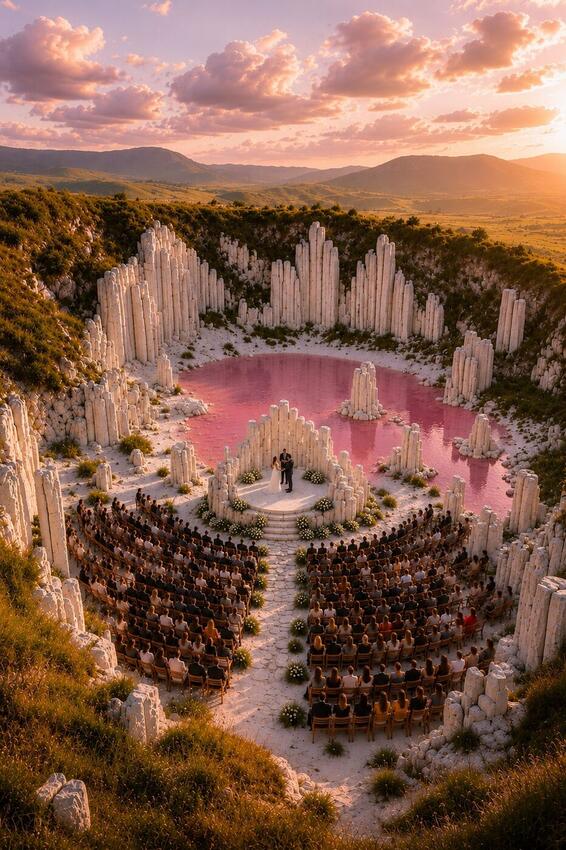
Six altars. Multiple celebrations at once. Almost no payroll.
| Why the margins work | Detail |
|---|
| Premium pricing | $9,000–$15,000 peak weekends; three published seasonal tiers including a golden-aspen premium window |
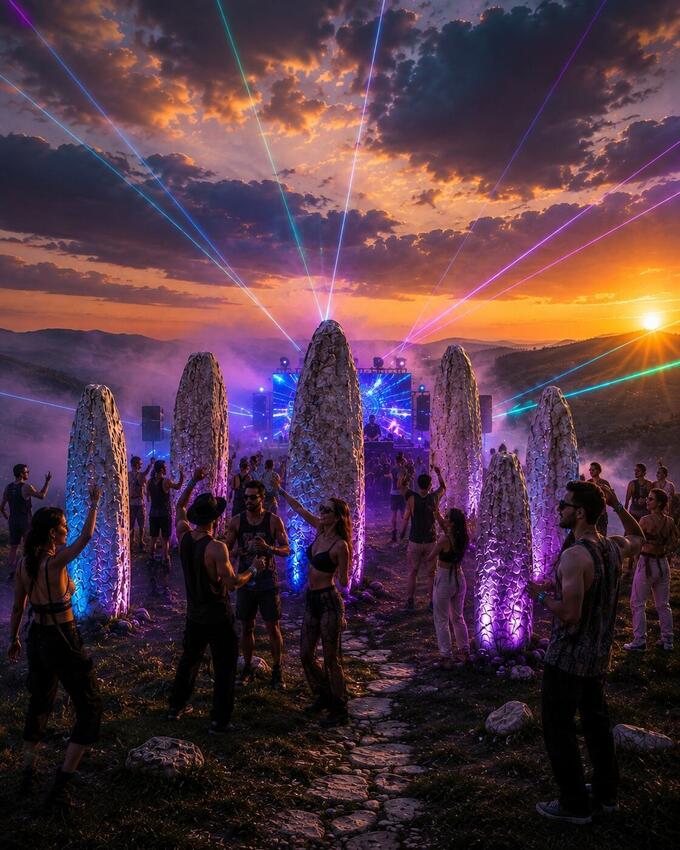
| Three revenue streams per date | Full days, split days (140% of a day), and $3,000 elopements — six separated ceremony sites allow multiple celebrations at once as they complete |
| Vendor economics | Preferred vendors have a 15% commission included in the final agreed service price and receive 85%; Park County local vendors have a 10% fee when applicable, with no duplicate commission |
| Lean buildout | Open-air venue: no ballroom to build, heat, or renovate |
| AI operations | Scheduling, accounting, monitoring, and guest communication run on Claude — a large team's output at an estimated ~$700/month in API cost |
Pro Forma
Illustrative first two years
| | Year 1 (2027) | Year 2 (2028) |
|---|
| Full-day weddings | 40 @ ~$8,000 avg — $320,000 | 55 @ ~$8,300 avg — $456,500 |
| Vendor commissions (20%) | $176,000 | ~$249,333 |
| Elopements ($3,000) | 25 — $75,000 | 60 — $180,000 |
| Alcohol liability fees ($500) | $15,000 | $20,000 |
| Revenue | $586,000 | ~$905,833 |
| Staff (one part-year assistant / tours) | ($23,000) | ($48,000) |
| AI operations (Claude API) | ($9,000) | ($12,000) |
| Insurance, grounds, snow, servicing | ($44,000) | ($56,000) |
| Marketing | ($12,000) | ($18,000) |
| Legal, accounting, software, misc. | ($18,000) | ($22,000) |
| Operating income (illustrative) | ~$480,000 | ~$749,833 |
Illustrative projections, not a promise — before owner compensation,
depreciation, taxes, and financing. Vendor commissions have been recalculated at 20% using the same assumed service-price totals as the previous projection; Year 2 is rounded to the nearest dollar. Year 1 assumes a mid-range mix of our published 2027 rates
(weekday $5,000 to Aspen Gold Saturday $15,000) at roughly one wedding per week plus fenced
elopements. The $100-ad test suggests demand is not the constraint; construction timing is.
The Tax Angle
The depreciation advantage
Almost everything we intend to build is, in IRS terms, a land improvement —
15-year MACRS property (Asset Class 00.3, Rev. Proc. 87-56). IRS Publication 946 lists
land improvements to include “sidewalks, roads, canals, waterways, drainage facilities,
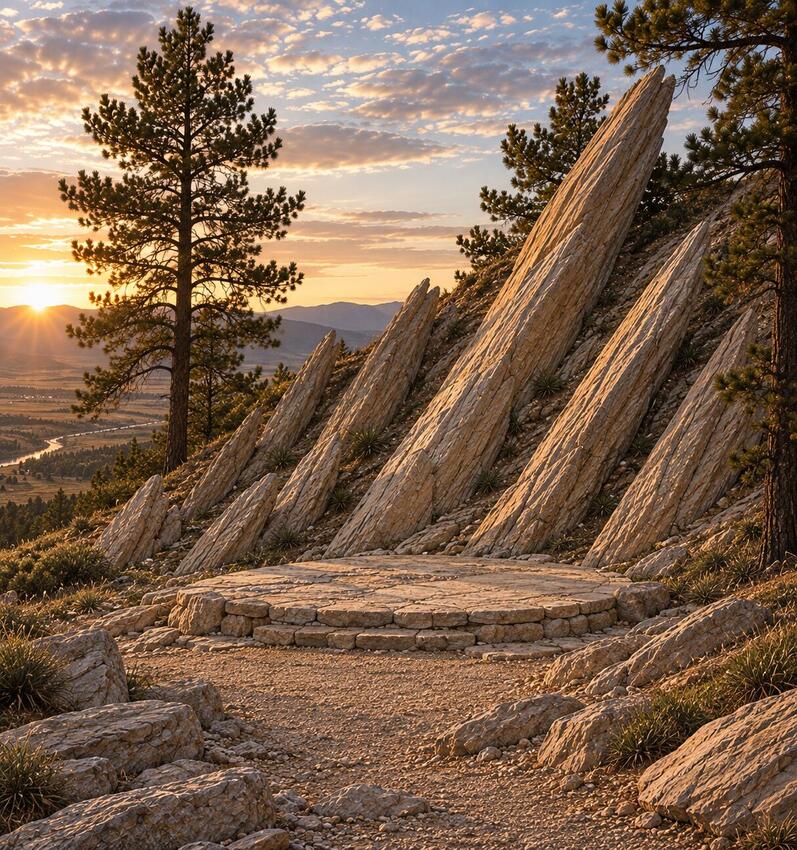
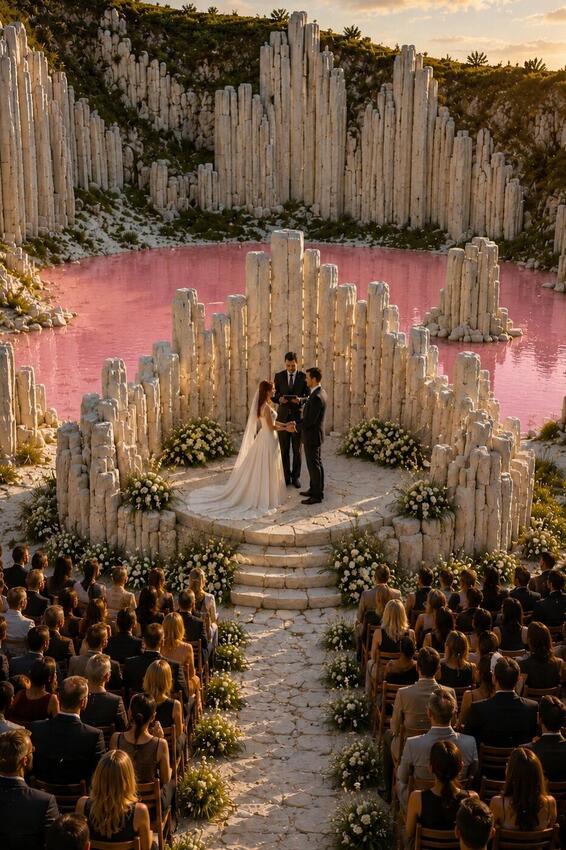
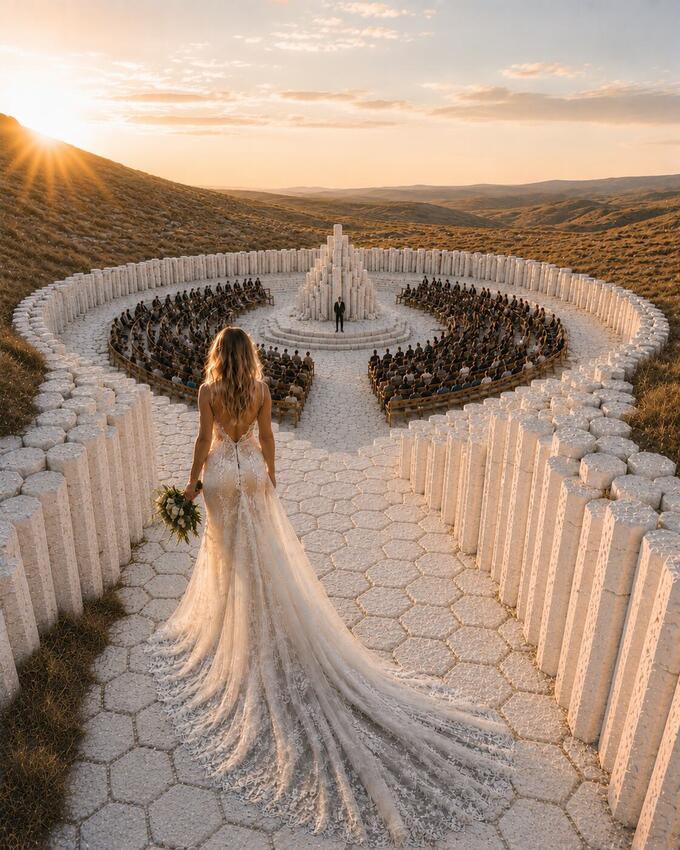
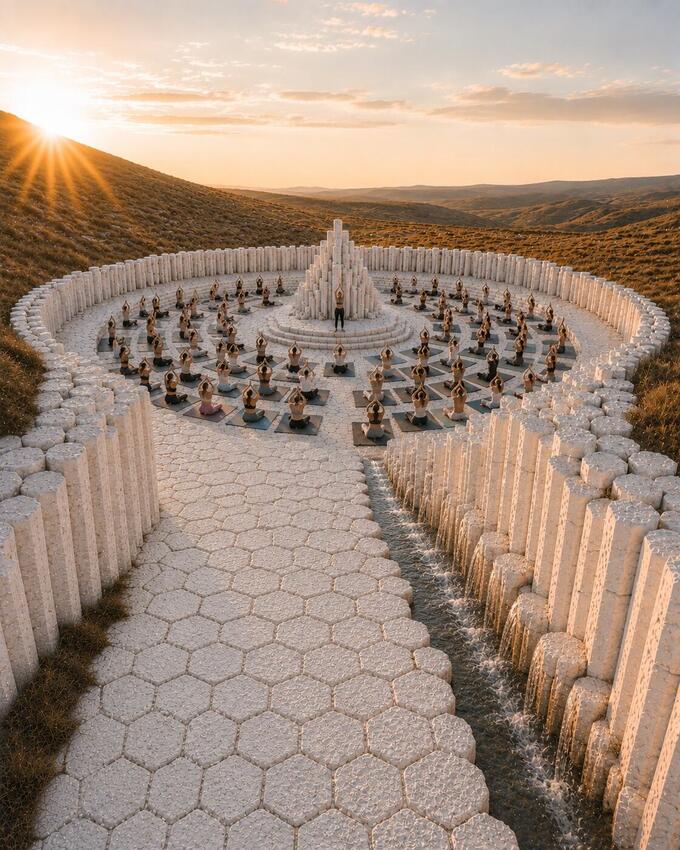
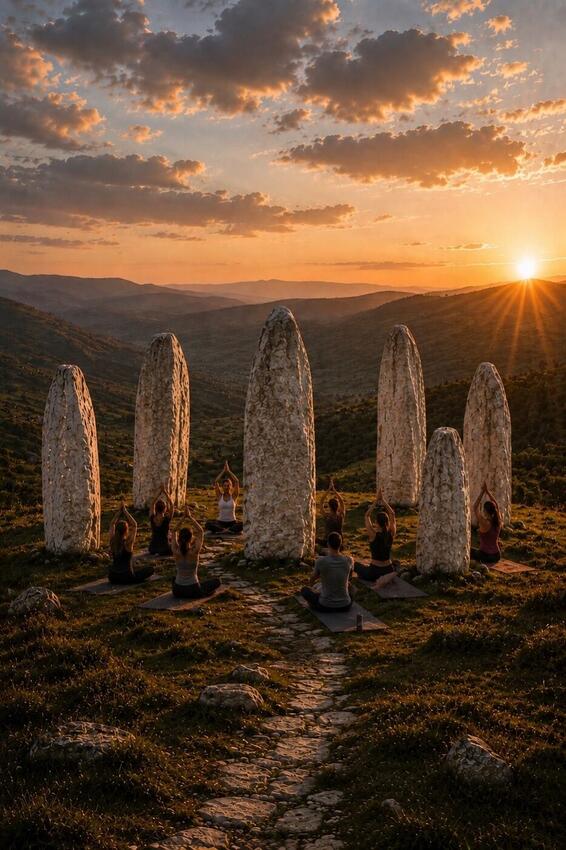
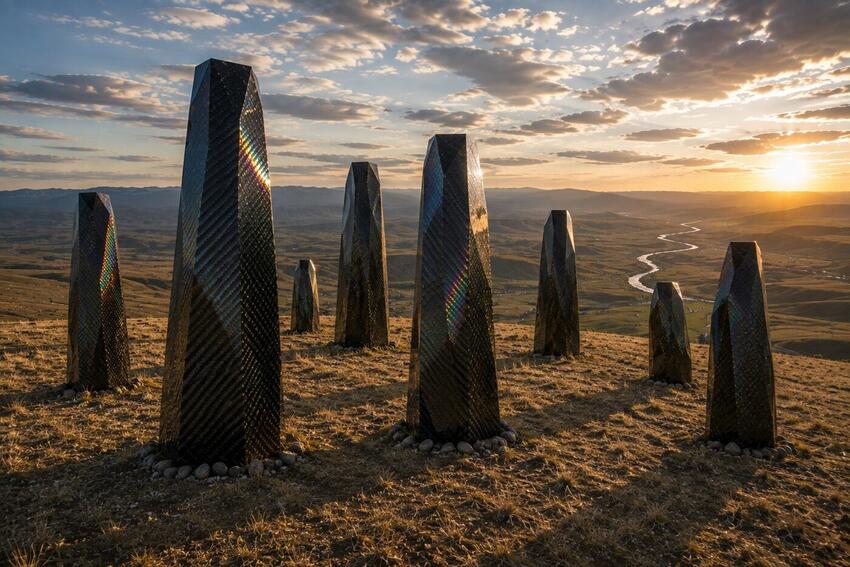
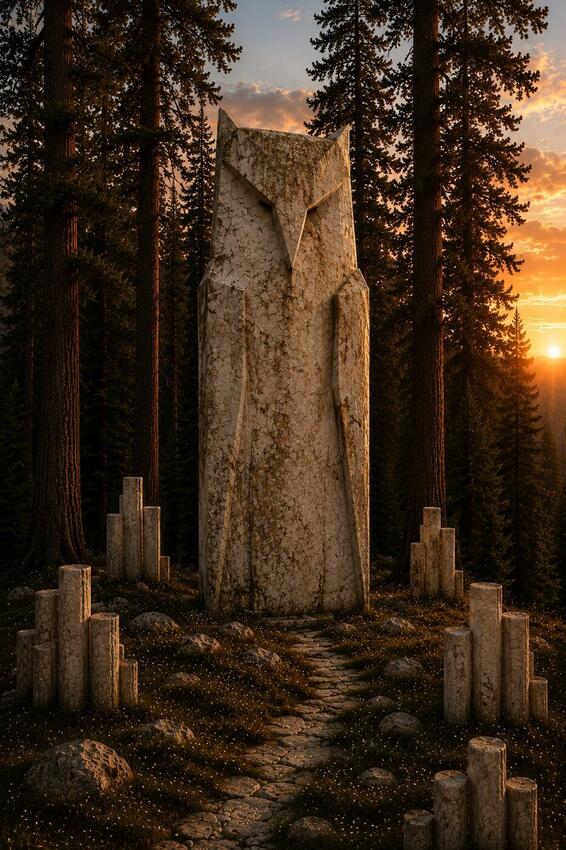
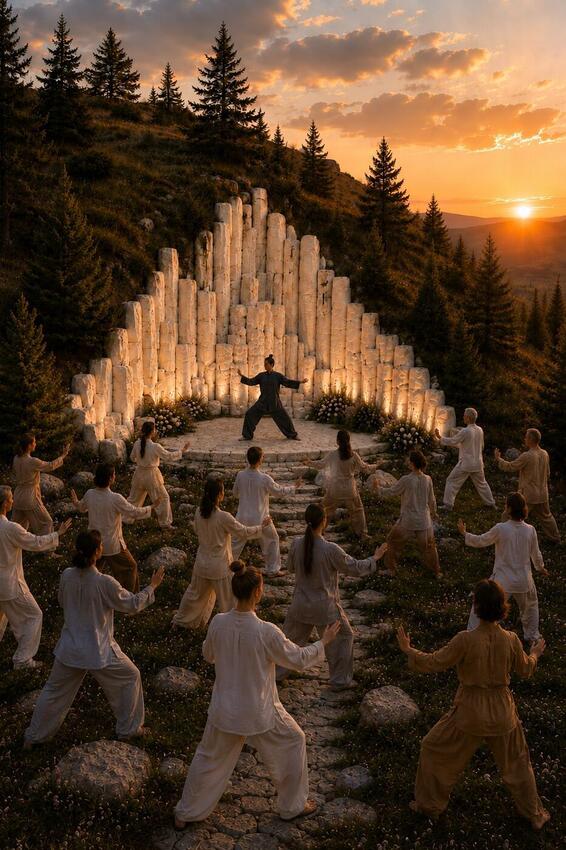
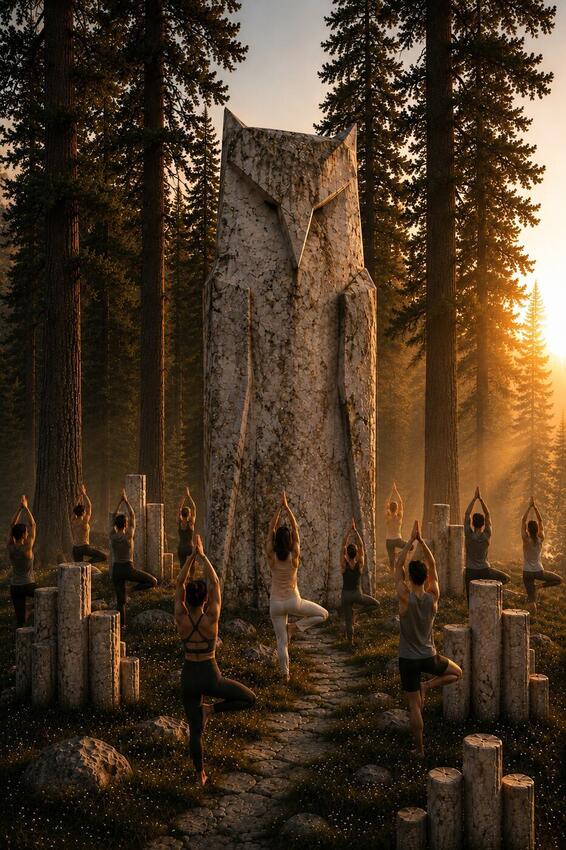
sewers… fences, and landscaping.” Our planned altars and landscape stonework, the
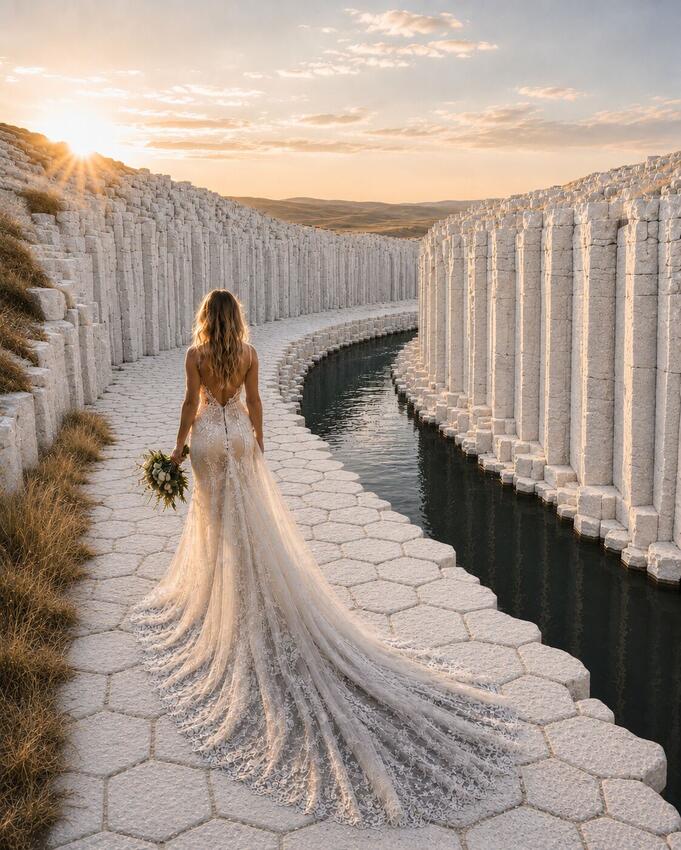
artificial river, earth privacy ramparts, fencing, roads, parking, site lighting — and even the
helicopter pad — are designed to be classified in exactly this category, confirmed by a formal
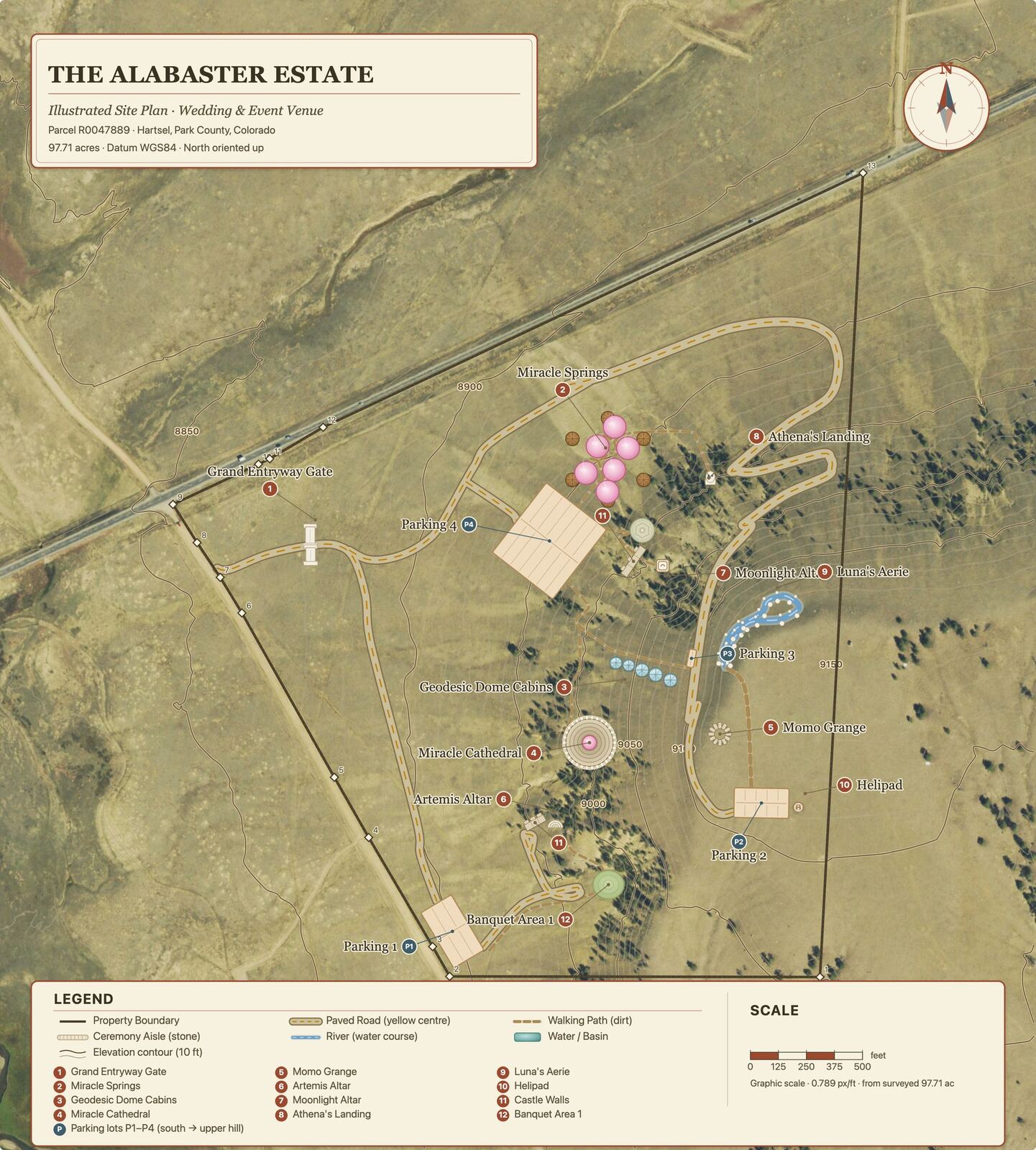
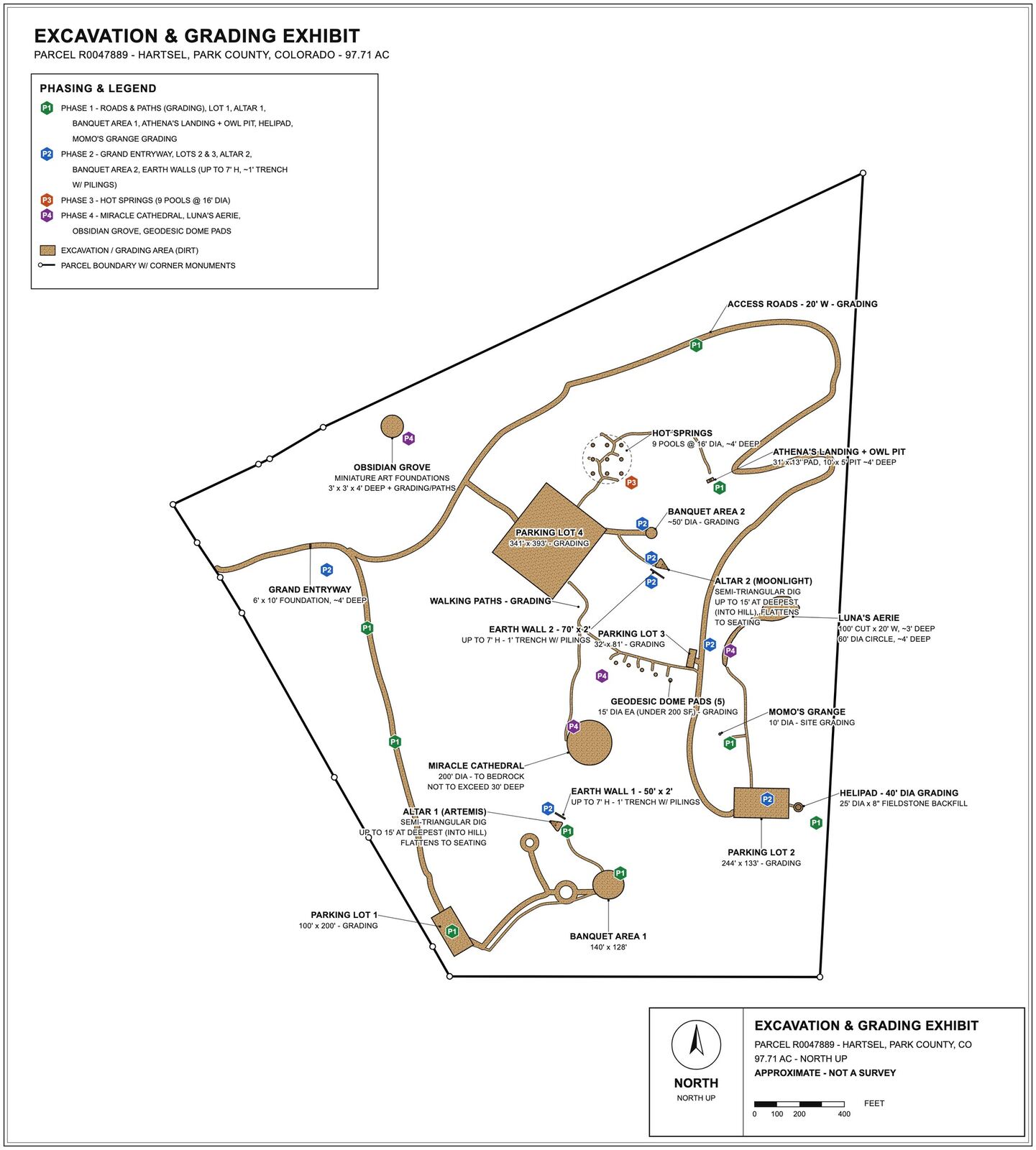
cost-segregation study at build time. On the current build plan an estimated $1.1M+ of the
budget is bonus-depreciation-eligible in year one, flowing to investors' K-1s (estimate
pending final engineering and the cost-segregation study).
Under current law (the 2025 One Big Beautiful Bill Act), property with a recovery period of 20 years
or less qualifies for permanent 100% bonus depreciation — deductible in the year
placed in service, with no scheduled phase-out, flowing to investors on their K-1.
We deliberately weight the budget toward bonus-eligible site improvements rather than conventional
buildings.
Built for generations, depreciated by the book. IRS recovery periods are
standardized tax categories — not lifespan predictions. We engineer the stonework to outlast all
of us and depreciate it exactly as the code prescribes. Nothing clever, nothing gray: the right
category, applied to the right assets, documented by professionals.
Sources: IRS Publication 946 (How To Depreciate Property); IRS guidance on
first-year depreciation under the One Big Beautiful Bill Act (irs.gov/newsroom). This is not tax
advice; investors should consult their own advisors — outcomes depend on final engineering,
entity structure, and individual circumstances.
Operations
An AI-run estate with a human face
One part-time human handles tours, day-of presence, and upkeep checks. Everything else —
scheduling, bookkeeping, guest communication, sensor and camera monitoring for fire, intrusion, and
property care — runs on Claude (Anthropic's frontier model) via API, supervised
by the founder. That is the margin story: a venue that operates like it has a staff of ten, at an
estimated ~$700 a month in AI cost.
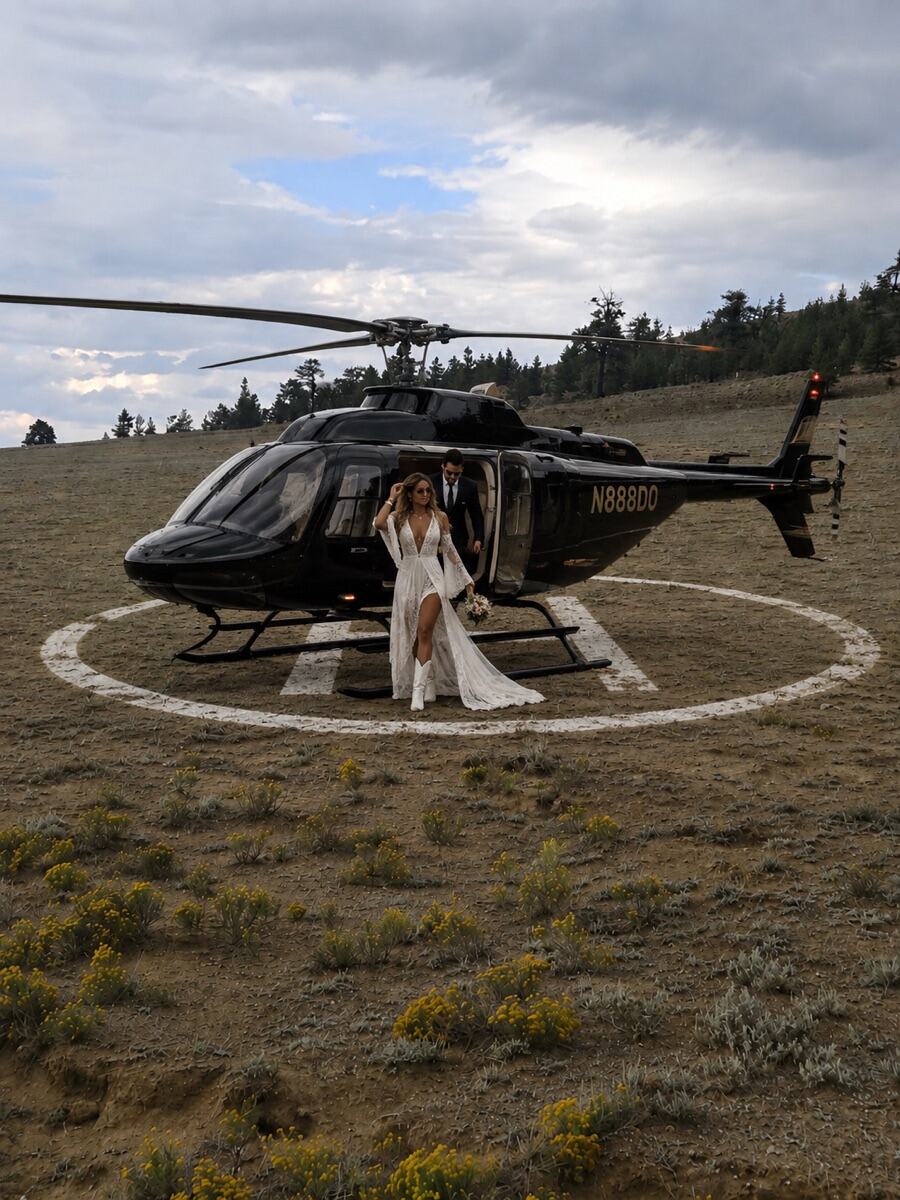
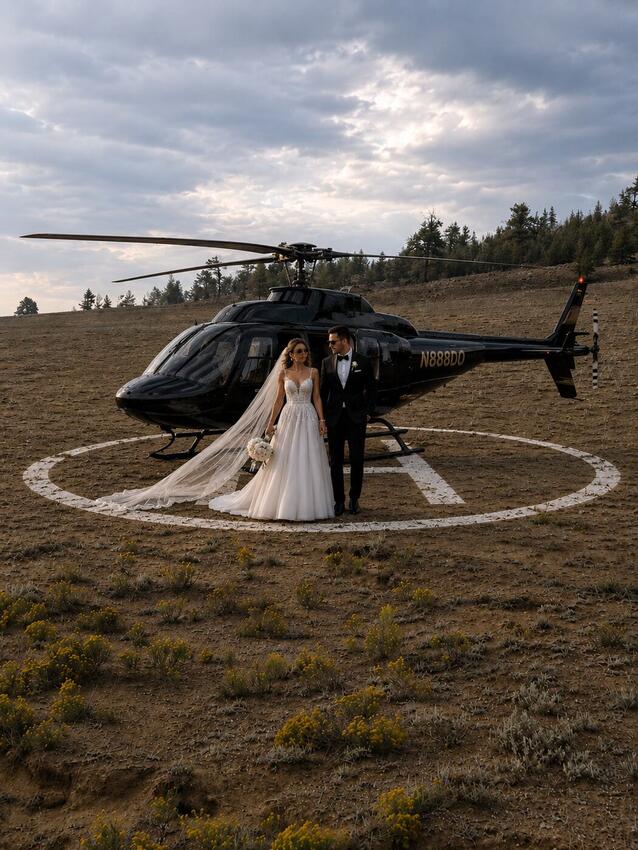
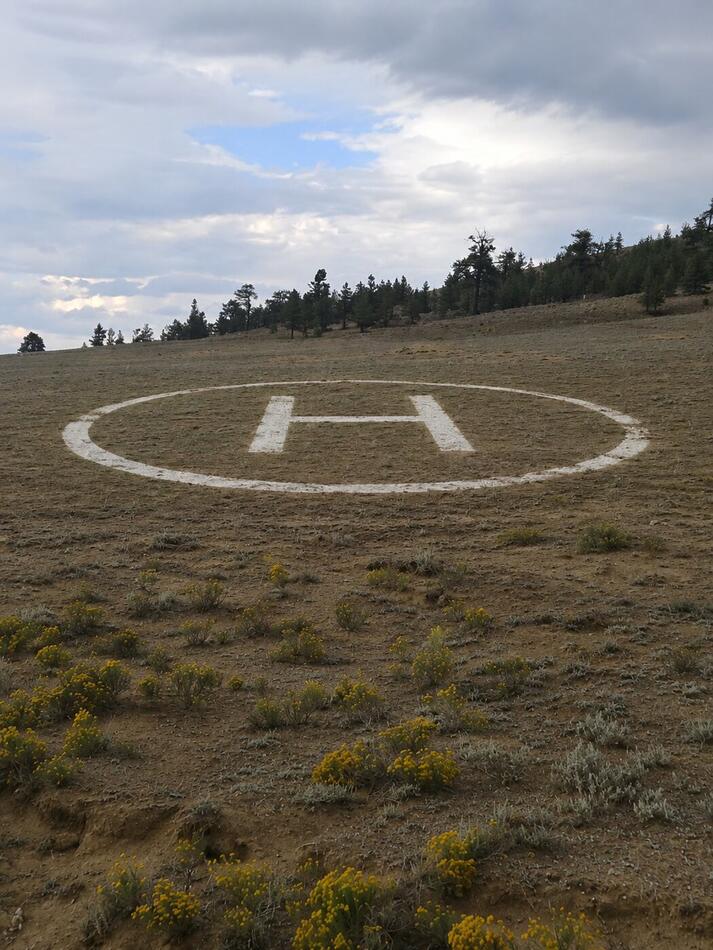
The helicopter pad is the same philosophy — and a profit center: a $750 landing fee
per arrival, with the same 20% vendor commission included in the final agreed charter service price. Roughly
$15–20K of concrete and rebar
that lets couples and VIP guests fly in from Denver — outsized exclusivity per dollar, and another
15-year site improvement.
Use of Funds
Raising up to $2.2M — land through opening day
| Allocation | Estimate |
|---|
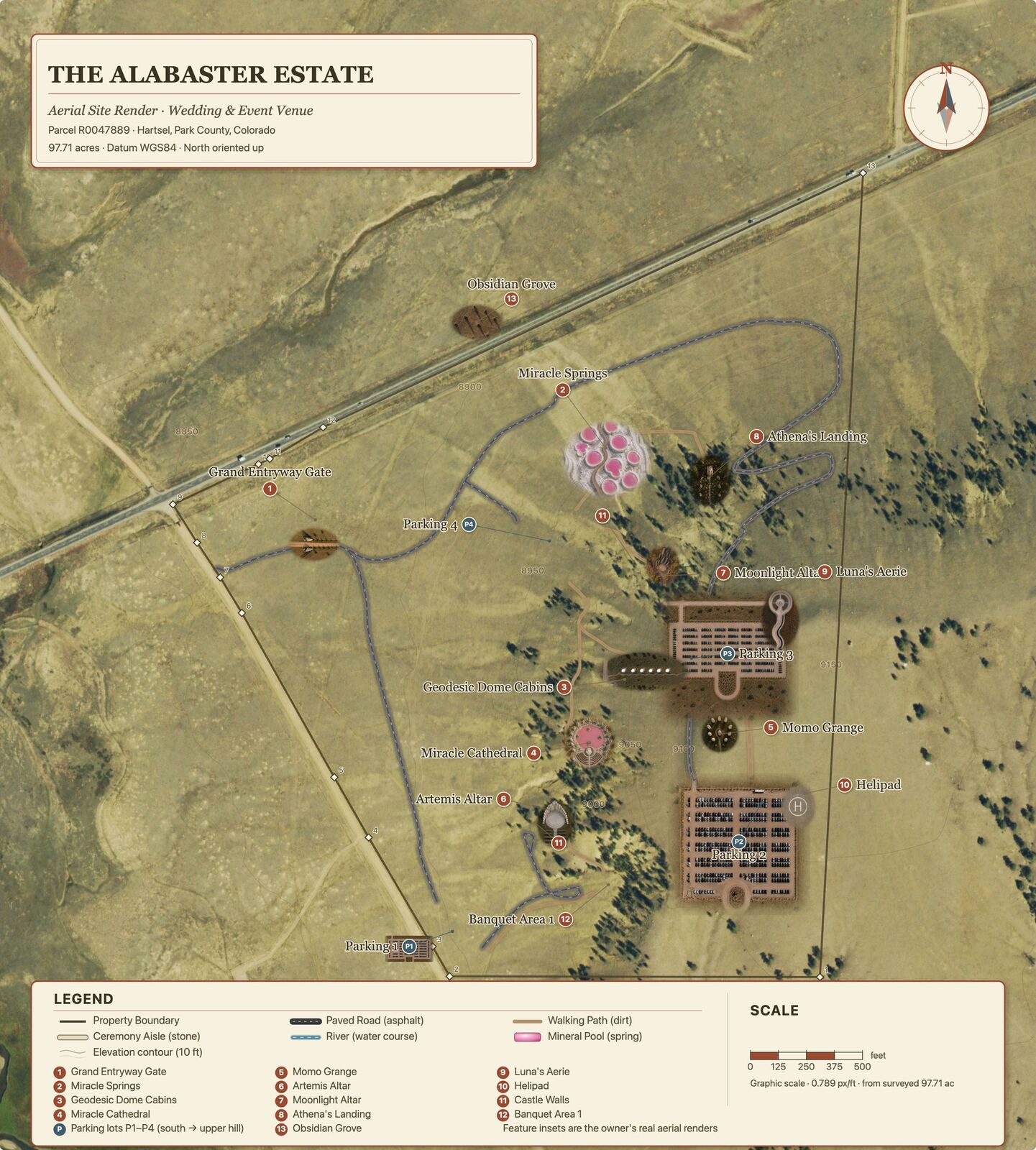
| Land acquisition (South Park parcel near Hartsel) | ~$500,000 |
| Altars & landscape stonework (first 2 of 6 sites) | ~$400,000 |
| Artificial river & earth privacy ramparts | ~$250,000 |
| Water, septic, power | ~$200,000 |
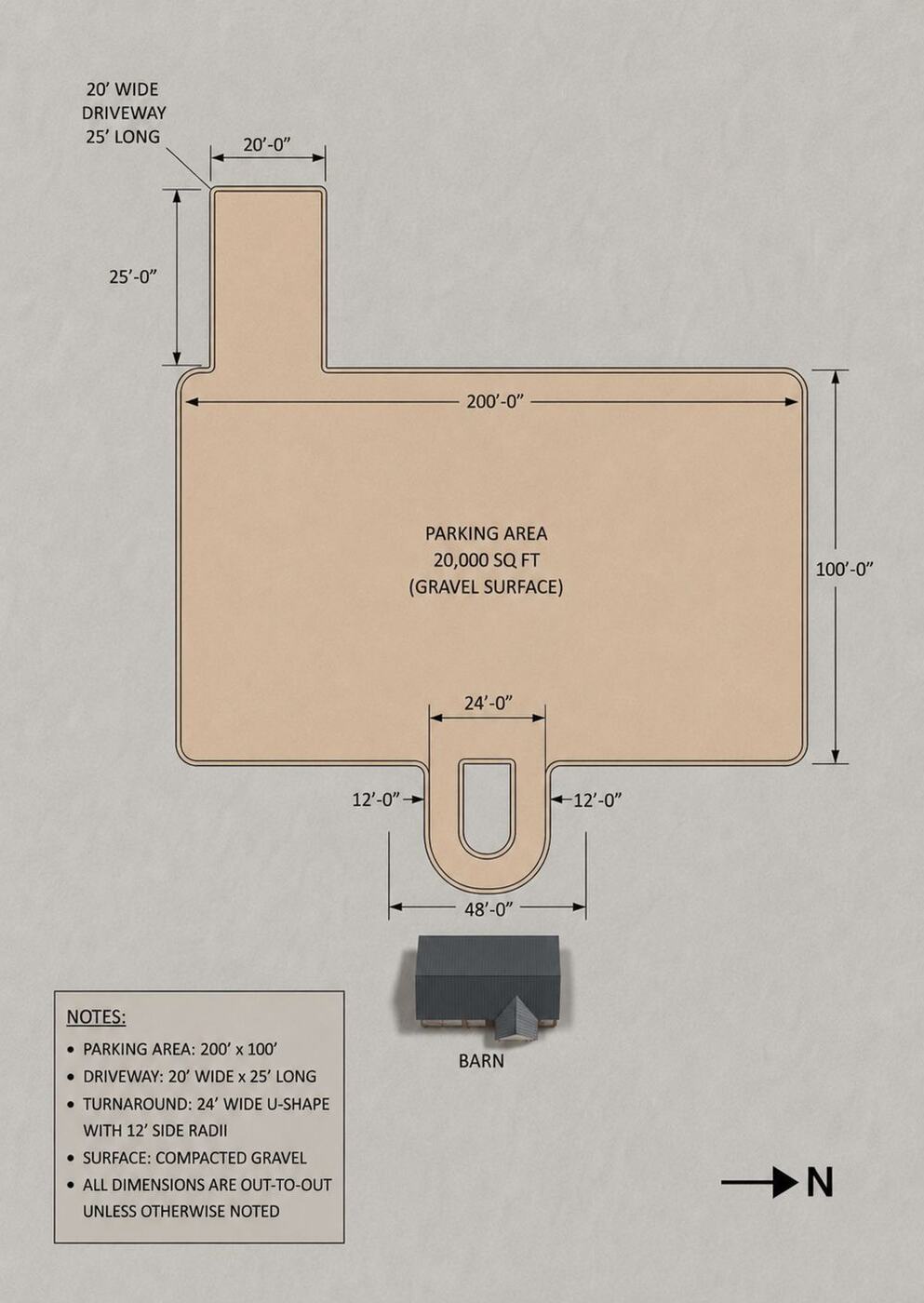
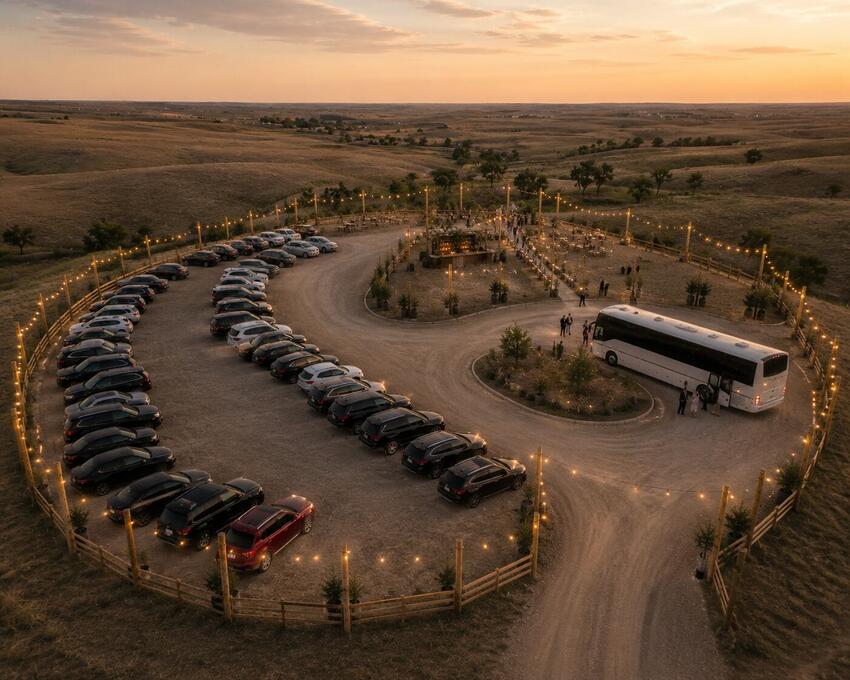
| Roads, parking (40 cars + buses), fencing | ~$150,000 |
| Bathroom facilities (six restrooms) | ~$60,000 |
| Three timber cabanas | ~$300,000 |
| Dining theater & feast grounds | ~$150,000 |
| Helicopter pad | ~$20,000 |
| Permitting, engineering, cost-segregation study | ~$80,000 |
| Contingency & working capital | ~$250,000 |
Estimates to be refined with final engineering; the mix intentionally favors
bonus-depreciation-eligible site improvements over conventional structures. Depending on the final
parcel, Colorado (including a 3% investment tax credit on qualifying
equipment) may add state-level incentives — assessed with counsel once the site is under contract.
The Market
A $1.86B state market — and a product nobody else has
Colorado hosts roughly 46,700 weddings a year (~$1.86 billion market) and ranks
among the top states for marriage rate. The venue is the largest single line in a wedding budget, and
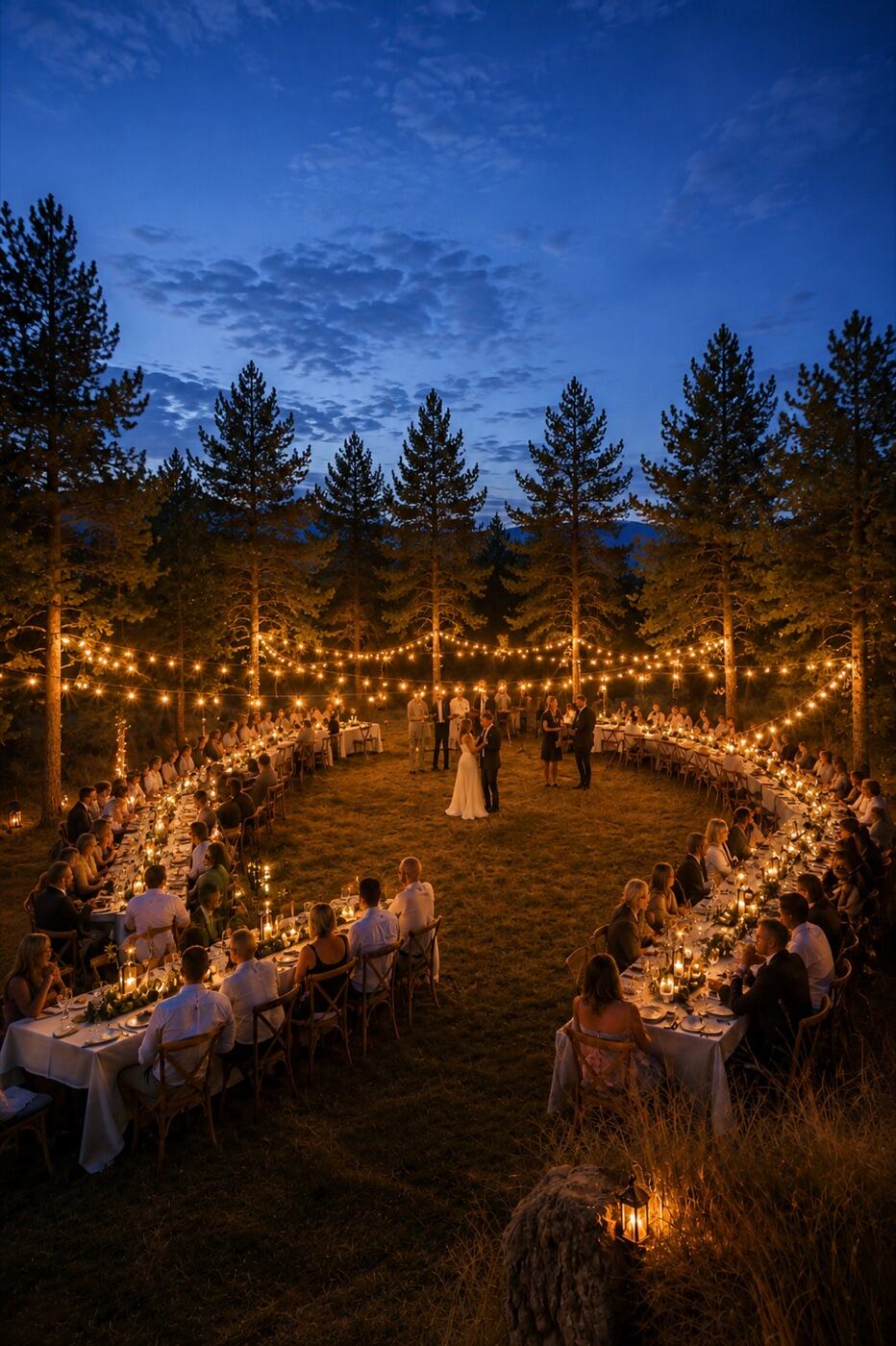
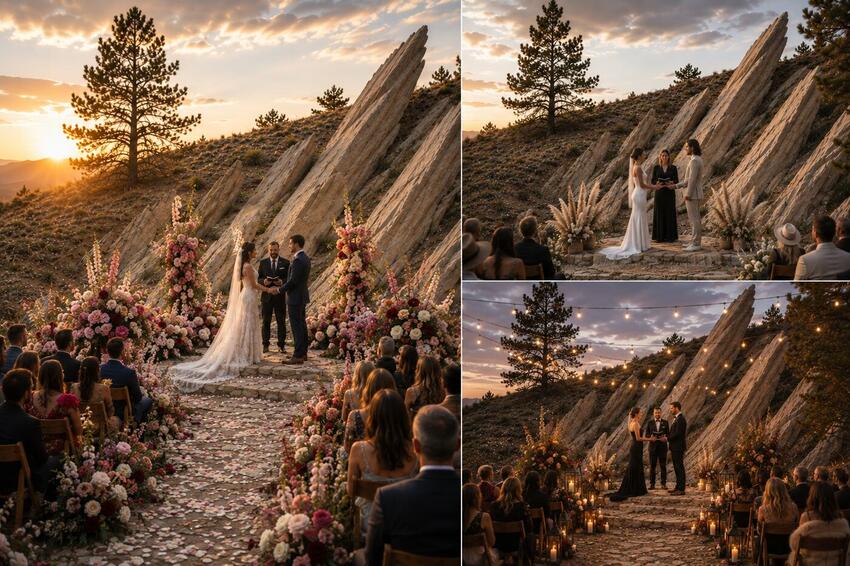
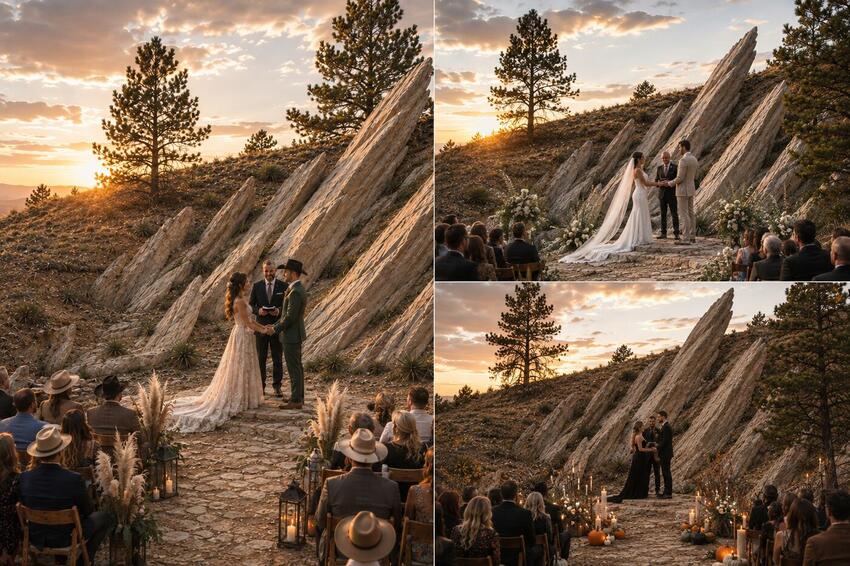
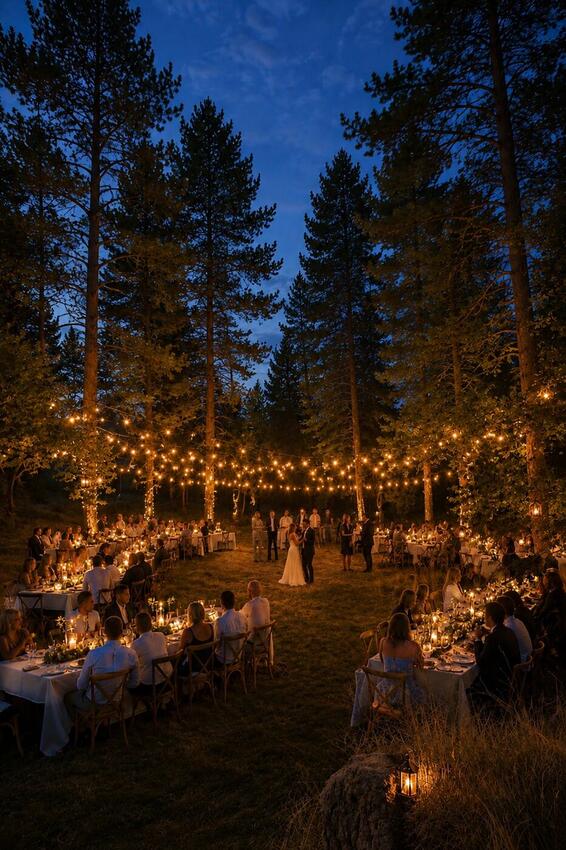
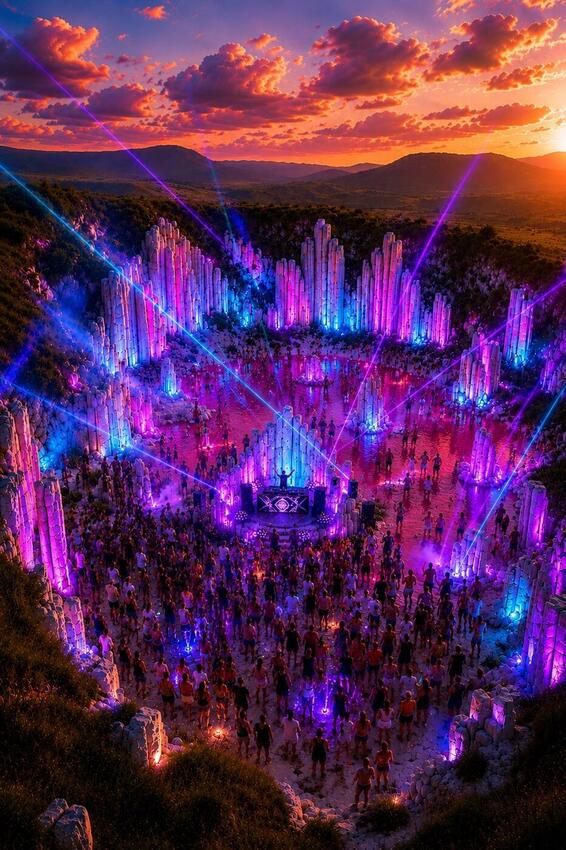
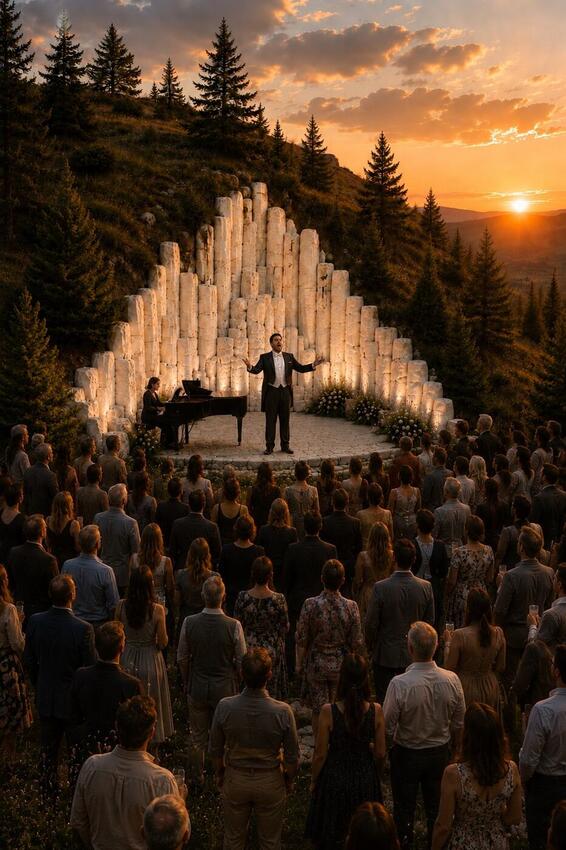
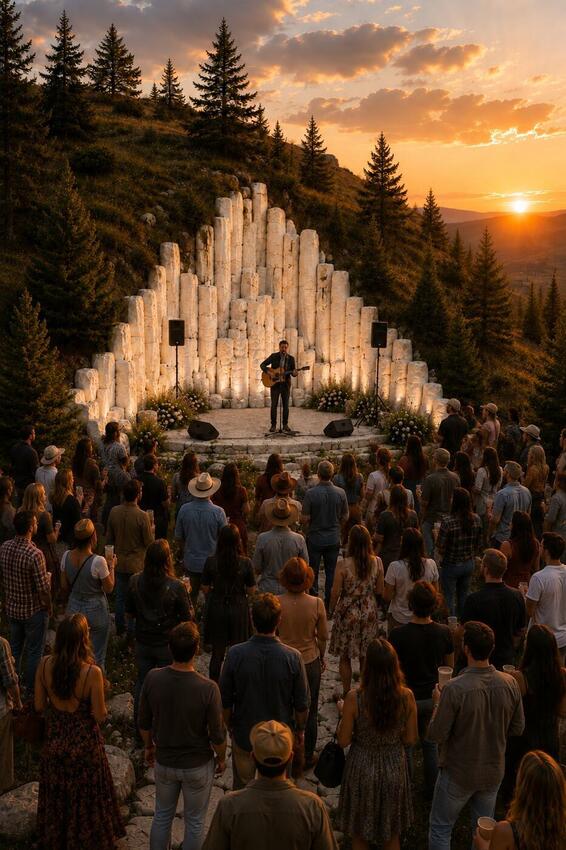
couples choose it for one thing above all: how the ceremony photographs. The estate sits in South Park — about 75 minutes from Colorado Springs and about two hours
from Denver — true destination country. Front Range
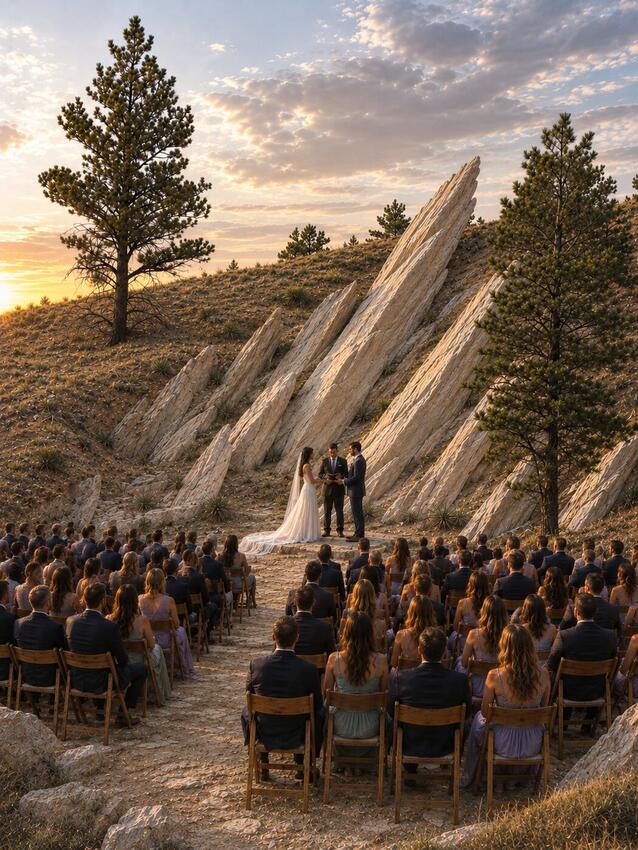
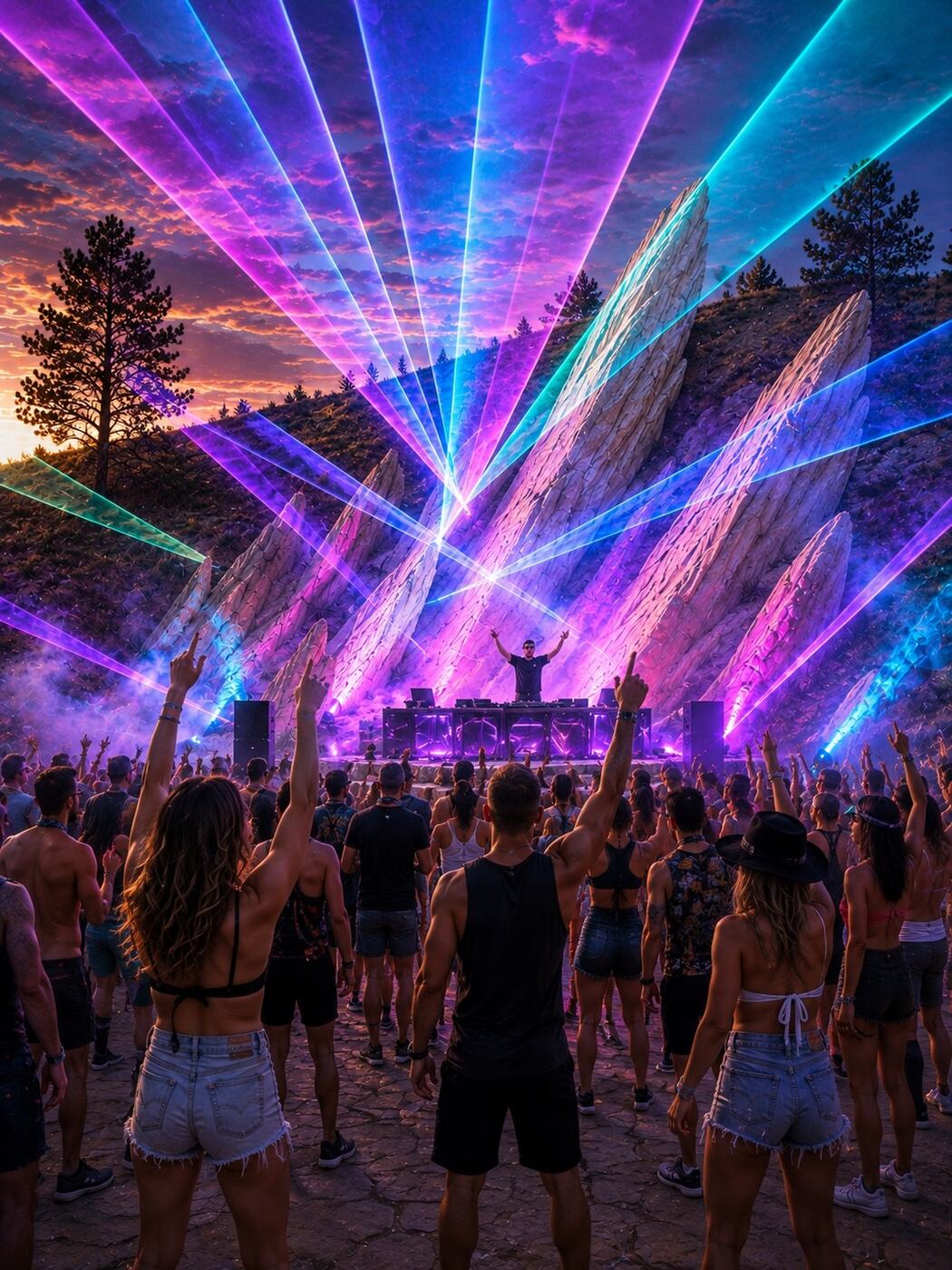
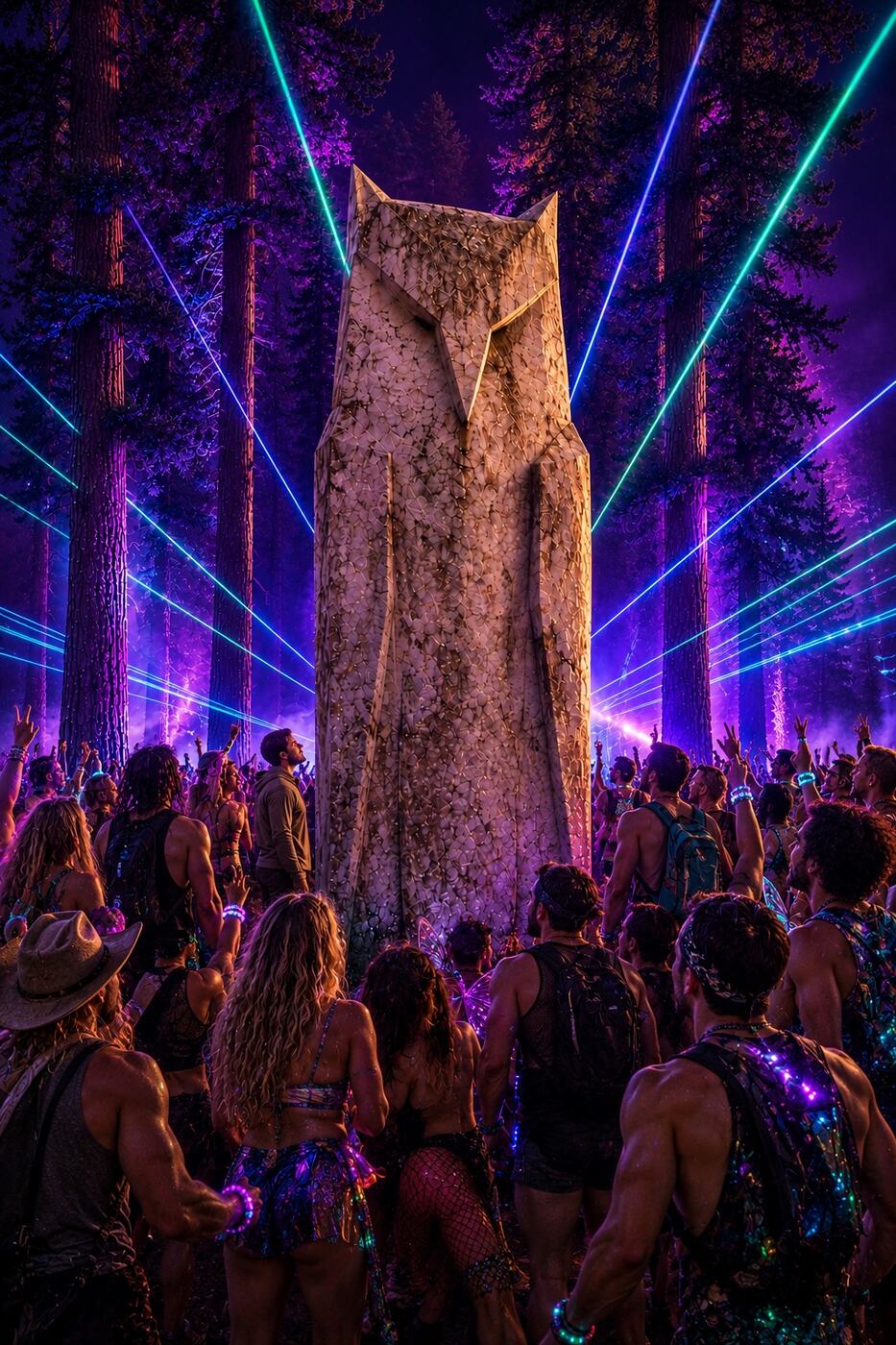
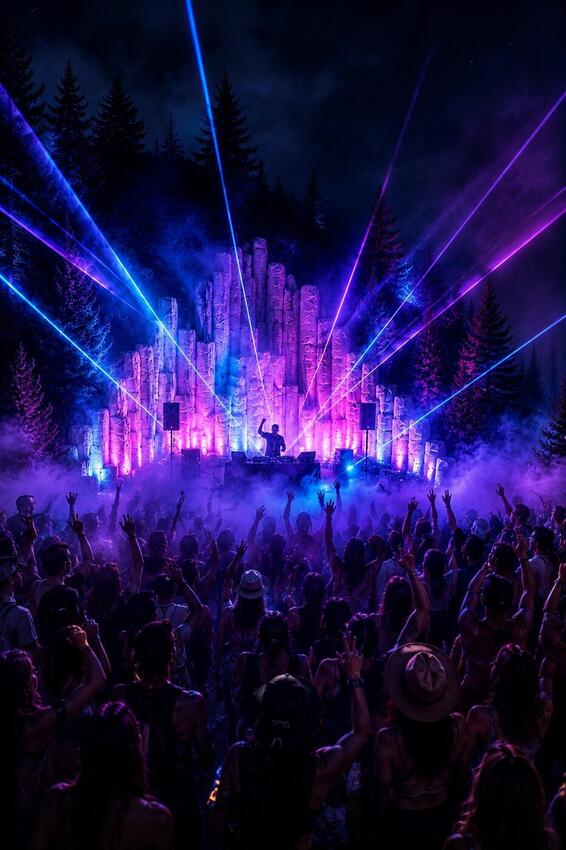
competitors sell barns, ballrooms, and golf courses at $6,000–$15,000 a Saturday — nobody
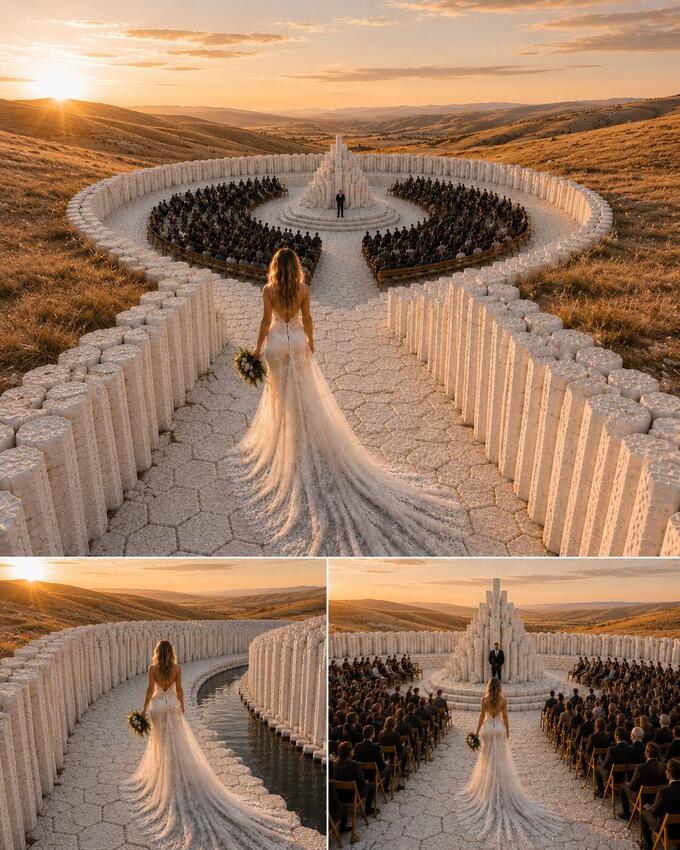
sells monumental stone altars under open sky. Our $100 ad test suggests that difference converts.
Location & Expansion
Positioned between two metros — with room to grow
The estate sits in South Park, just outside Hartsel, with Colorado Springs about 75 minutes
away on US-24 and the Denver metro about two hours out — two drawsheds, one venue — with hotels nearby to
house guests driving in from farther out. Given how unusual the product is, we anticipate genuine
out-of-state destination bookings: in markets like California this venue reads as both
cheaper and unlike anything available locally — and the helicopter pad doesn't hurt.
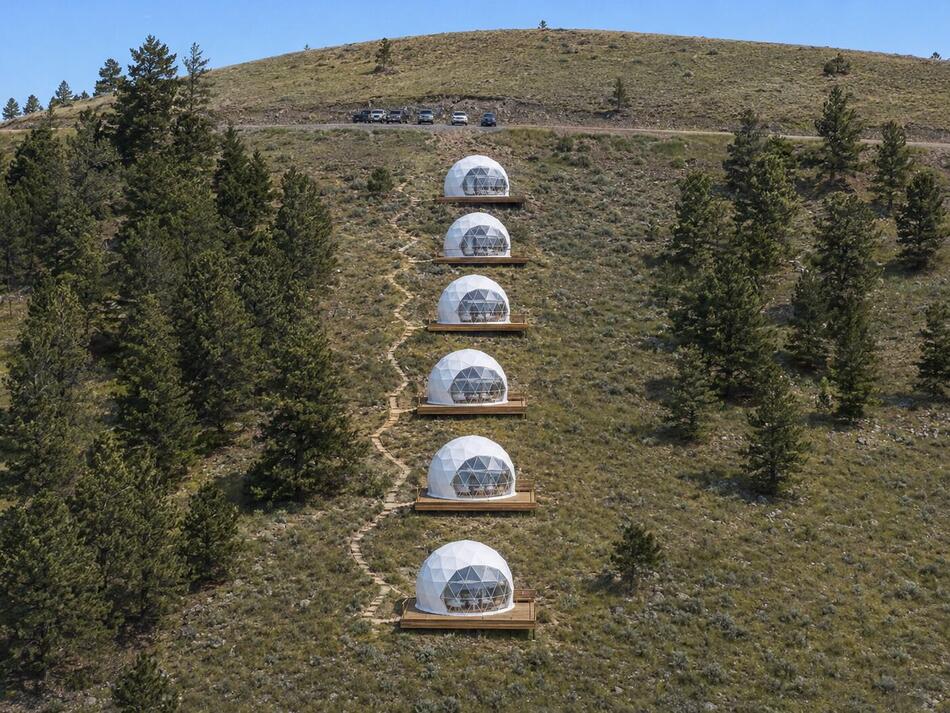
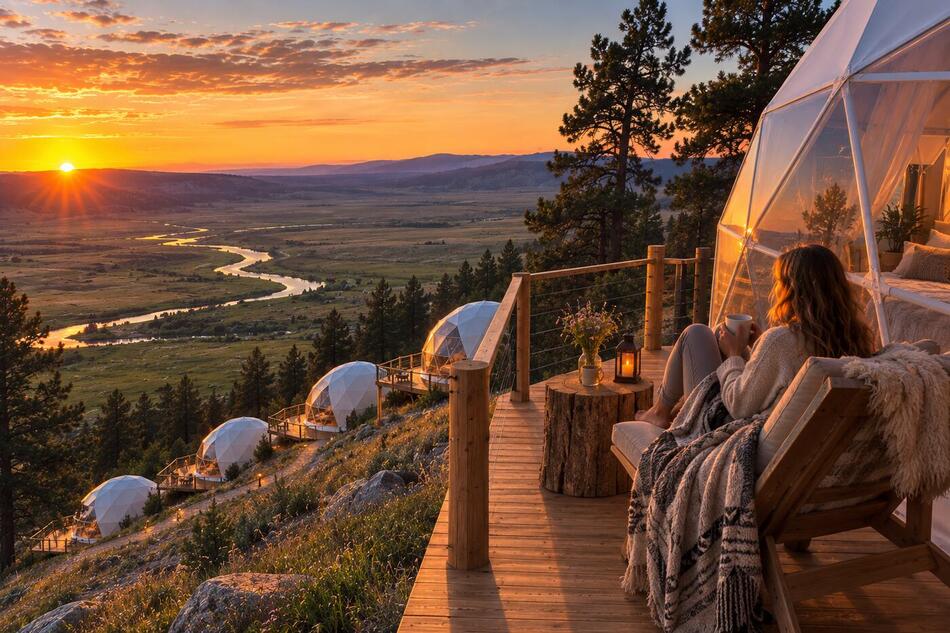
The expansion path: the land we're targeting leaves room for on-site
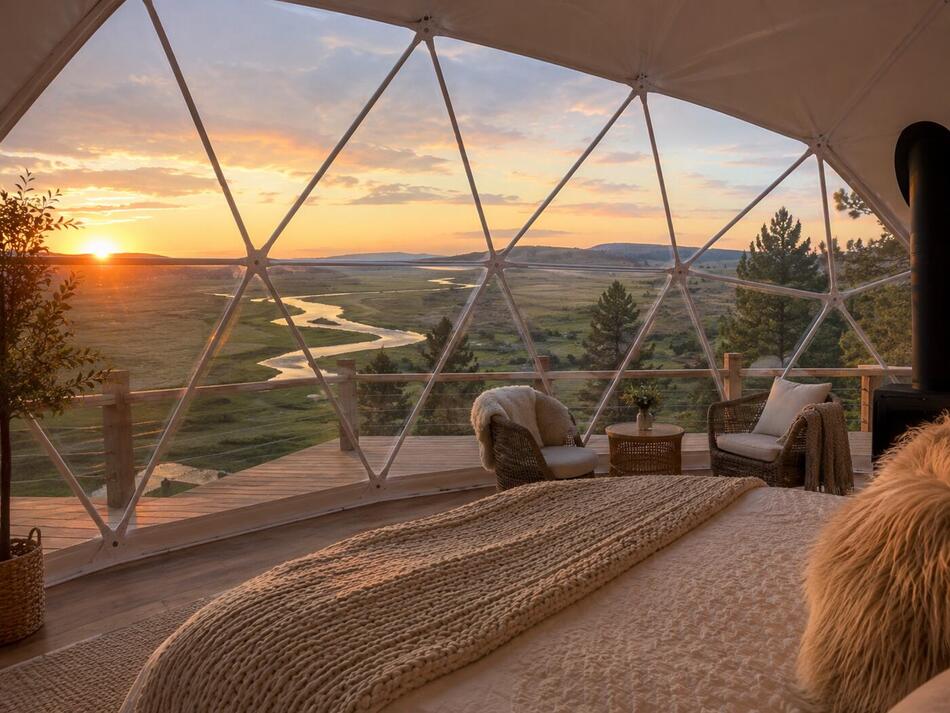
lodging — geodesic domes, A-frame cabins, or a single lodge building. The plan is to
strategically reinvest a portion of second-year income into that build (roughly a six-month permitting
process) before distributions — converting wedding demand into nightly-stay revenue on land we
already own. A future decision, deliberately not in this raise.
Timeline & Risks
Eyes open, promises kept
| Milestone | Target |
|---|
| Conditional Use Permit confirmed | first |
| All permits confirmed (septic, access, build) | next |
| Land closing — only after the CUP is in hand | then |
| Construction — opening date confirmed about halfway through | 2026–27 |
| Bookings open (~6 months before completion); no date confirmed without a firm finish + grace period | pre-opening |
| First weddings — targeting 2027 peak season (summer/fall); spring possible | 2027 |
The honest risks: county permitting timelines, construction cost and weather delays, seasonality of
an outdoor venue, and a single-founder operation in year one. Mountain winters can pause work —
a January opening may slip weeks or months toward spring. The good news: most of our construction is
quick, and we'll know the real timeline about six months out — in time to book the 2027 summer
and fall peak season, which is where the revenue lives. Our mitigations are built into the plan
— no date is confirmed before a firm completion date, winter carries discounted pricing rather
than promises, contingency sits in the budget, and AI-run operations remove key-person load from
day-to-day logistics.
Future Revenue
The land holds a second business
We expect out-of-state destination bookings — Colorado is already one of
America's favorite states to marry in — and guests who fly in need beds. The acreage we're
targeting leaves room to add on-site lodging in a later phase: geodesic domes or
premade A-frame cabins for ambiance, or one larger lodge building for economics. The plan is to
reinvest a portion of year-two income into that expansion (roughly a six-month
permit-and-install cycle) before distributions grow — turning one revenue stream into two on
land we already own. A decision for later; the point for now is that the ceiling is higher than
weddings alone.
The Founder
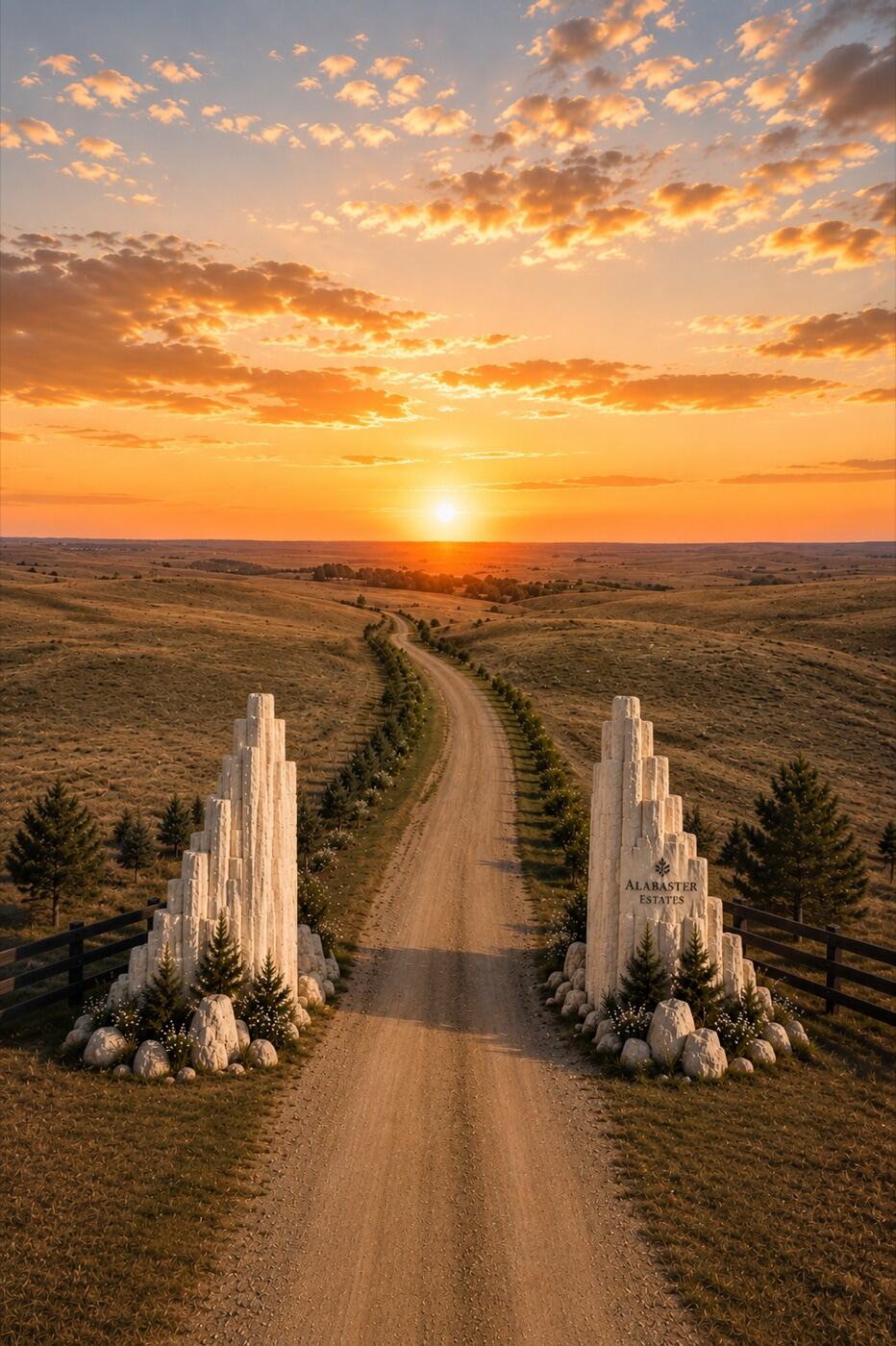
Jeremy Altdorfer
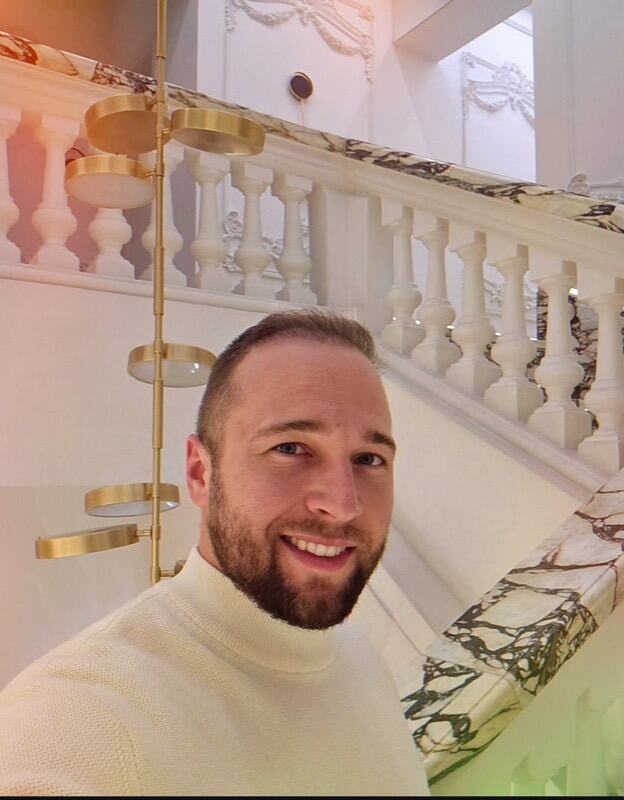
Founder and owner — and, for now, the whole team. Jeremy is a Colorado business owner and
real-estate operator with rental portfolios in Colorado and Ohio, and years of
running healthcare practices — he is a dentist and the founder of Experience Dental, now three locations. He doesn't come from the wedding industry — he comes
from building and operating businesses that keep their promises. Alabaster Estates is his next venture:
a venue unusual enough that couples asked to book it before it existed. The photographers, wedding
planners, and industry pros we've shown it to say they've seen nothing like it on the market —
and they're eager to watch it get built.
The Ask
Seed capital for the build
We are speaking with a small number of early partners about a seed investment to take the estate
from land to opening day. Terms, financials, and custom structures — including
depreciation-weighted allocations for investors who value the K-1 — are shared in conversation.
Talk to the founder directly:
Phone:
Instagram:
This page is an introduction to a private conversation — not an offer to
sell securities, and not tax or investment advice. Projections are illustrative.